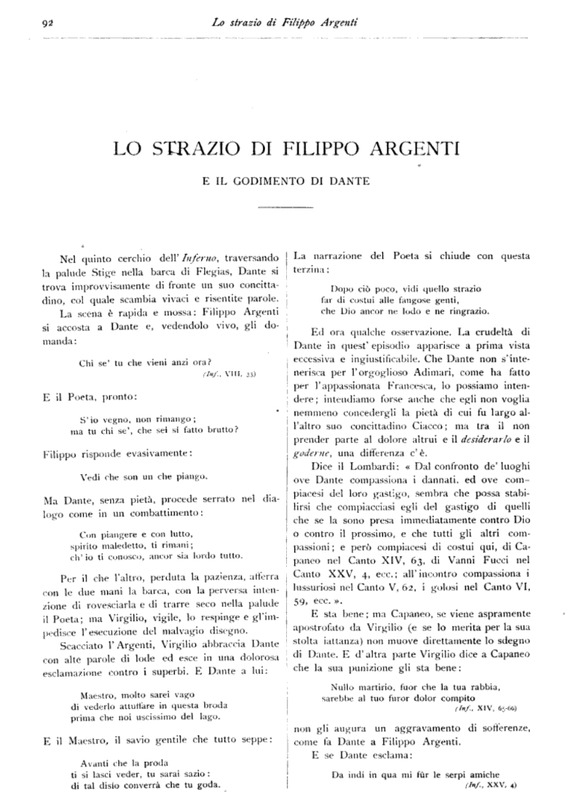
From Diffusion to Affirmation: How Women Conquered a Prominent Place in Dante Studies and Journals
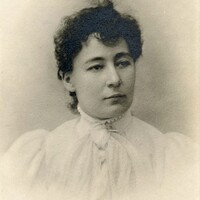
On the Stage of Culture: Public Lecturers between Scientific Authority and Popular Dissemination
Until the mid-19th century, literary salons and Academies constituted the privileged context in which women demonstrated their profound knowledge of Dante, performing in passionate declamations, poetic improvisations, and learned conversations.
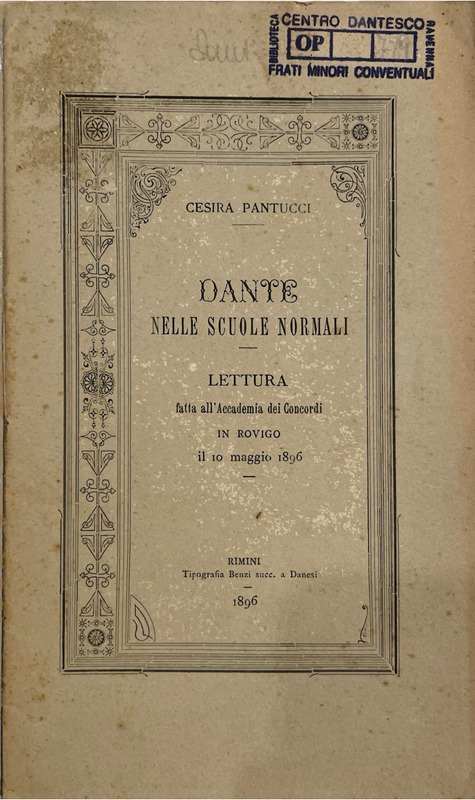
The new century saw boarding schools and Normal Schools (Scuole Normali) – as well as the first women's circles – evolve into true cultural centers, offering women, increasingly educated and often engaged in teaching, the opportunity to establish themselves as Dante scholars.
These new contexts favored the birth of a new role for women: that of disseminators, capable of bringing the complexity of Dante's work beyond academic environments, making it accessible to a broader audience.
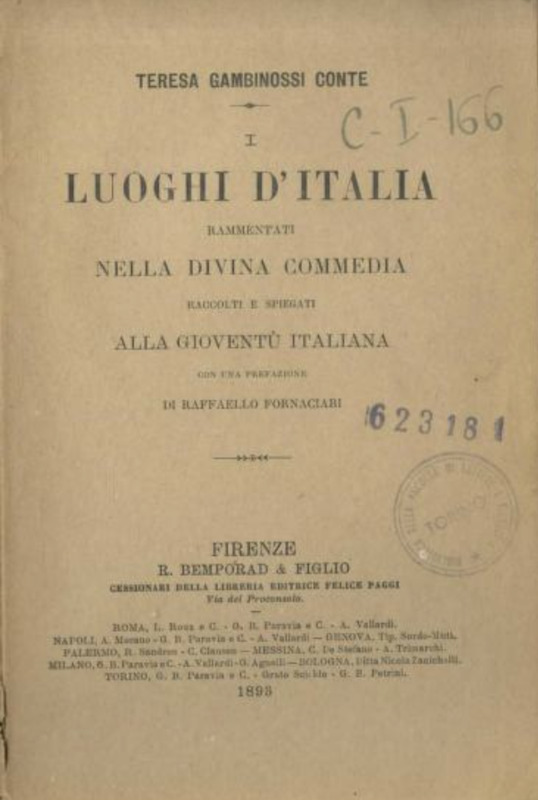





Educating the new nation: Dante handbooks and biographies
Following Italian Unification, school textbooks were vital for spreading national ideals, elevating Dante Alighieri and the Divine Comedy to a cornerstone of secondary education. This demand created opportunities for Italian women, not just as students and teachers, but as influential textbook authors.
Pioneers like Filippina Rossi Gasti and Emma Boghen Conigliani wrote methodologically rigorous guides for future teachers, emphasizing Dante's importance for "literary, moral, and civic education." Similarly, Luisa Anzoletti promoted Dante as an educational model to instill "honest loyalty and strength of character," thereby helping to shape the cultural heritage and national consciousness of the new unified state.
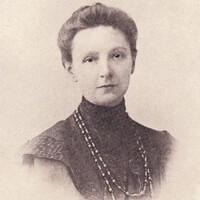

At the Heart of the Debate: Women Scholars in the Giornale Dantesco
The Giornale Dantesco, founded in 1893 by figures like Passerini and Pietrobono, significantly revolutionized Dante studies by fostering an inclusive and interdisciplinary debate.
Despite the limited female presence in academia during that era, the journal served as an exception, actively welcoming and valorizing contributions from women scholars such as Ida Luisi, Cordelia Cesari, Nerina Badaloni, and Vincenzina Inguagiato