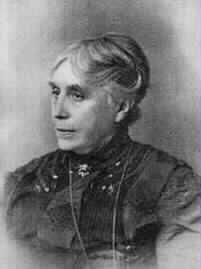
Morandi, Felicita Nacque a Varese il 21 aprile 1827 da Felice e da Maddalena Rossi. Per tre anni frequentò le scuole elementari, dapprima al Collegio Bianconi di Monza e poi al Collegio Morand di Milano, mostrando insofferenza verso la severa disciplina e ottenendo risultati scolastici «infelici», come avrà modo di raccontere lei stessa nei Ricordi postumi. La sua formazione si compì all’interno delle mura domestiche, grazie alla lettura delle opere di Alessandro Manzoni, Cesare Cantù, Tommaso Grossi, Giuseppe Giusti e Arnaldo Fusinato, e del giornale di impronta patriottica Il Crepuscolo.
Nel 1848 prese parte alla mobilitazione delle donne di Varese in favore dei combattenti; quando i suoi familiari cercarono rifugio in Piemonte, rimase con il padre, travestita da uomo, e nel momento della disfatta si adoperò nella cura dei feriti. Alla morte del padre, nel 1852, la famiglia ormai caduta in ristrettezze economiche, decise di trasferirsi a Milano. Qui Felicita iniziò un’attività di traduzione di articoli dal francese, destinati a giornali educativi, che si protrasse fino al 1860 quando scelse di spostarsi a Parma, come istitutrice presso una famiglia locale.
Frattanto era venuta dedicandosi alla composizione di versi, apprezzati da Ippolito Nievo e da Fusinato, l’incoraggiamento dei quali la indusse a vincere la ritrosia e a pubblicarli, nel 1857, con lo pseudonimo «una lombarda».
Nel 1862, sollecitata da alcune signore parmigiane, assunse la direzione dell’appena istituita Scuola tecnica femminile, iniziando così una lunga carriera nelle istituzioni destinate all’istruzione e all’educazione delle giovani. [...] ebbe l’idea di organizzare corsi di formazione professionale (legatoria di libri, cucitura a macchina di calzature, ecc.) e di istruzione magistrale, finalizzati all’inserimento delle ragazze nell’industria e nell’insegnamento elementare. La carità e l’impegno civile, peculiari della filantropia laica femminile ed emancipazionista di fine Ottocento, si coniugarono dunque nell’azione di Morandi con una nuova sensibilità verso la formazione culturale e professionale, dando vita a un ideale educativo il cui fine ultimo era l’inserimento delle giovani nella società.
[...] Nel 1879, a seguito di gravi divergenze con il sovrintendente circa l’organizzazione del collegio, lasciò la direzione della Stella e, a decorrere dal 16 novembre 1879, assunse l’incarico di ispettrice governativa degli educatori femminili dell’alta Italia. Nei cinque anni nei quali mantenne la carica, visitò circa 460 collegi-convitti religiosi e laici, criticandone spesso l’atmosfera monastica e l’assenza di una reale istruzione.
Risale al 1885 il suo ultimo contributo all’istruzione popolare: la Pensione benefica a Milano, nata dal Patronato delle fanciulle orfane e derelitte, fondato nel 1879 all’interno della Stella. [...] L’impegno profuso nella fondazione, nella direzione e nell’organizzazione di importanti istituti educativi, così come la faticosa attività di ispettrice, non le impedirono mai di scrivere: la sua vastissima produzione andò dalla poesia, alla commedia, alle biografie, ai romanzi e ai testi scolastici, composti avendo sempre presenti i caratteri sociali e culturali dei propri lettori. Indirizzate specialmente, ma non esclusivamente, all’infanzia e all’adolescenza, le sue opere furono premiate ai congressi pedagogici di Genova (1868) e di Napoli (1871), e alle Esposizioni didattiche di Bologna (1874) e di Roma (1880).
Morì a Milano l’11 gennaio 1906.